AI-Powered Google Ads Management: The Guide to Autonomous Growth in Advertising
AI-powered Google Ads management: an LLM connects to your account through MCP, finds wasted spend, adds negatives and optimizes budget — every step waits for your approval.
Category
Author
Date
Reading time
Share
Short answer: AI-powered Google Ads management means letting Claude or ChatGPT connect securely to your ad account through MCP — the model reads your live data, pinpoints wasted spend, and applies every change only after you approve it. Browse all 82 tools or try it on your own account with the 60-second setup guide.
Digital advertising has never faced a shift this radical since the day it began. Setting manual bid strategies inside Google Ads dashboards, exporting hundreds of keyword performance reports to Excel every day to analyze them, and running campaigns with static rules are fast becoming practices of the past.
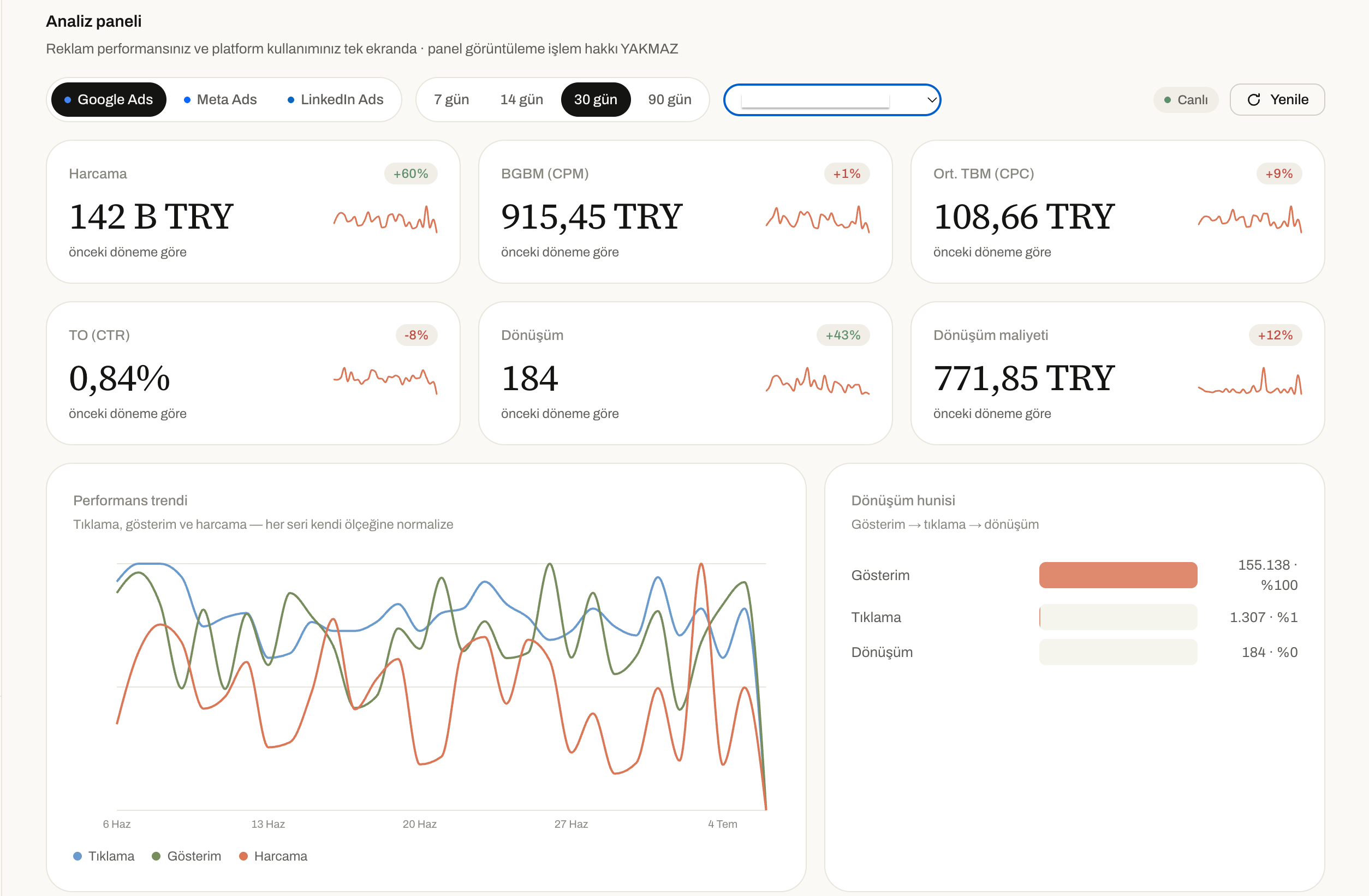
Thanks to Large Language Models (LLMs) and next-generation connectivity layers like the Model Context Protocol (MCP) — released by Anthropic as an open standard — AI is no longer a passive assistant that merely interprets reports. It has become an autonomous system that optimizes campaigns against live data, eliminates budget waste, and works directly toward conversions.
In this guide, we take a deep look at why AI-powered Google Ads management has become a necessity, how the architecture works, how we at opus-growth.com are leading this transition, and the questions we hear most often.
1. The Performance Gap Between Traditional Management and AI-Powered Google Ads
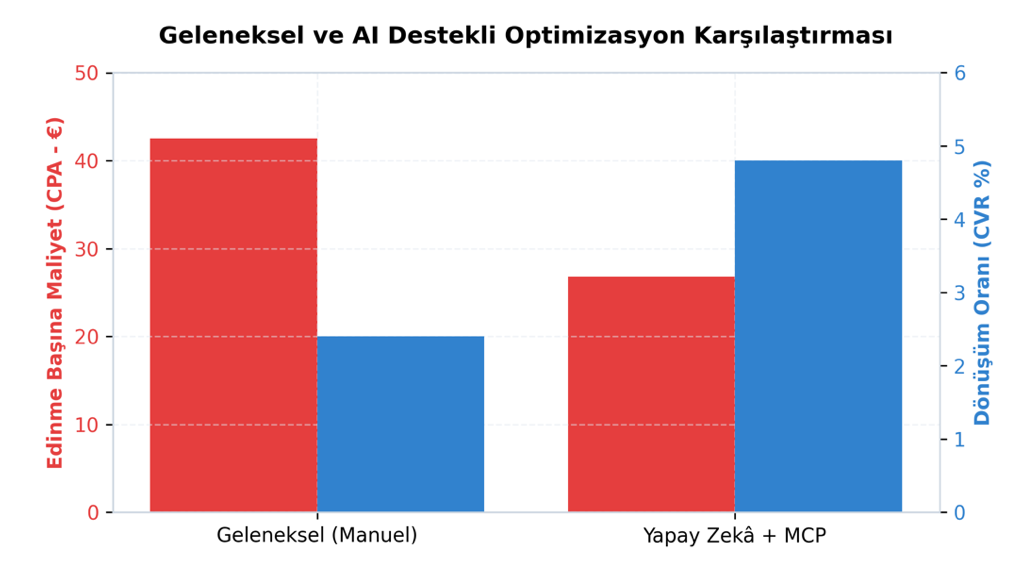
Traditional ad management relies on the human brain or rule-based automation scripts. It is physically impossible for a person to spot negative keywords, search-term variations, and cost per conversion (CPA) deviations across hundreds of ad groups in real time. Rule-based scripts, on the other hand, lack flexibility; they cannot analyze semantic shifts in language or user search intent.
In an AI-first management architecture, the system pulls together all of your historical and real-time data into a single context window through the Google Ads API layer.
- Higher Conversion Rates (CVR): The system semantically analyzes the search terms that drive conversions and targets users with similar intent.
- Lower Cost Per Acquisition (CPA): Niche terms that burn through budget and earn clicks but no conversions are filtered out in milliseconds.
2. The Synergy Between Large Language Models (LLMs) and the Model Context Protocol (MCP)
The most advanced level of managing Google Ads with AI is securely connecting powerful language models like Claude or ChatGPT to your ad account's live data. The Google Ads Claude MCP Server (Remote) that we built at opus-growth.com does exactly that.
How Does the System Work?
MCP (Model Context Protocol) establishes a secure, two-way bridge between language models and external sources. In this architecture, Claude doesn't just hand you theoretical advice; it gains a set of purpose-built tools it can run inside your ad account.
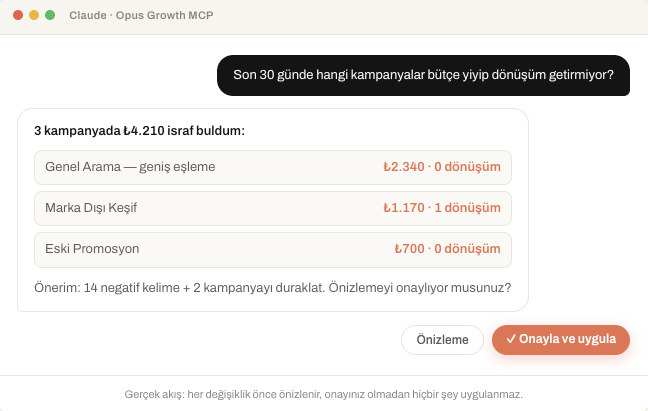
- Real-Time Search-Term Analysis: When Claude receives the command “Find the irrelevant terms that got clicks but no conversions in the last 7 days,” it reads the data by making an API call through the Remote server.
- Semantic Negativity: Where traditional systems only match keywords, an LLM understands the real intent beneath the words. For example, if you sell a premium clinic service, you don't have to manually add words like “cheap,” “public,” or “free” — with a single command, Claude can add every variation carrying that intent to your negative list.
- Human-in-the-Loop: Security is paramount. The AI cannot change your budget or pause a campaign on your behalf. It lists the optimization steps it wants to take along with the reasoning right in the interface; the moment you click “Approve,” a mutation command is sent to the Google Ads API through the remote server.
3. Scalability and Data-Processing Speed
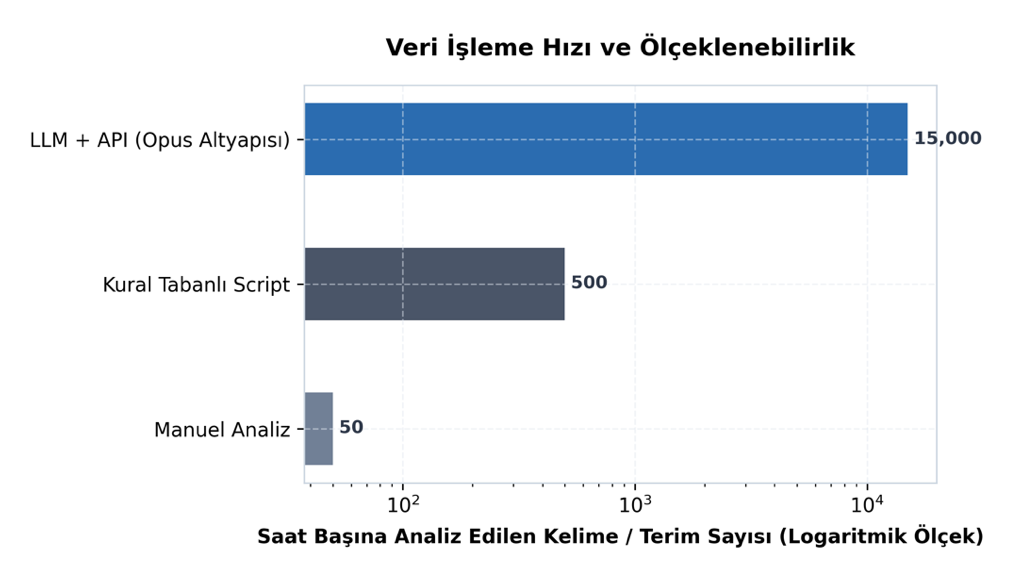
The number of search terms or keywords a digital marketing specialist can review and optimize in a day is limited. AI integrations, however, can scan massive data sets simultaneously. This enormous speed advantage means budget optimization can be completed in minutes — especially for e-commerce sites, health-tourism operations, and SaaS startups that manage thousands of keywords and large budgets.
4. Budget Efficiency and Preventing Ad Waste
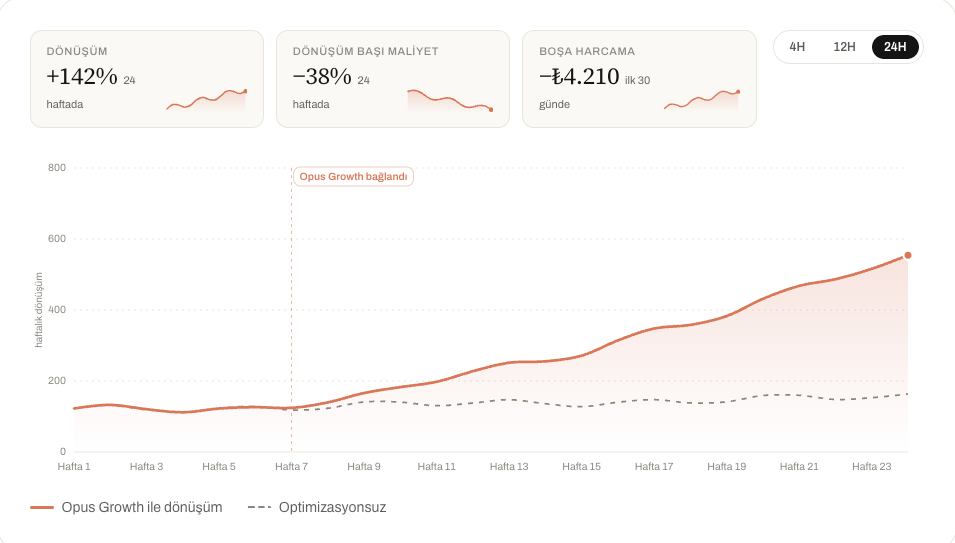
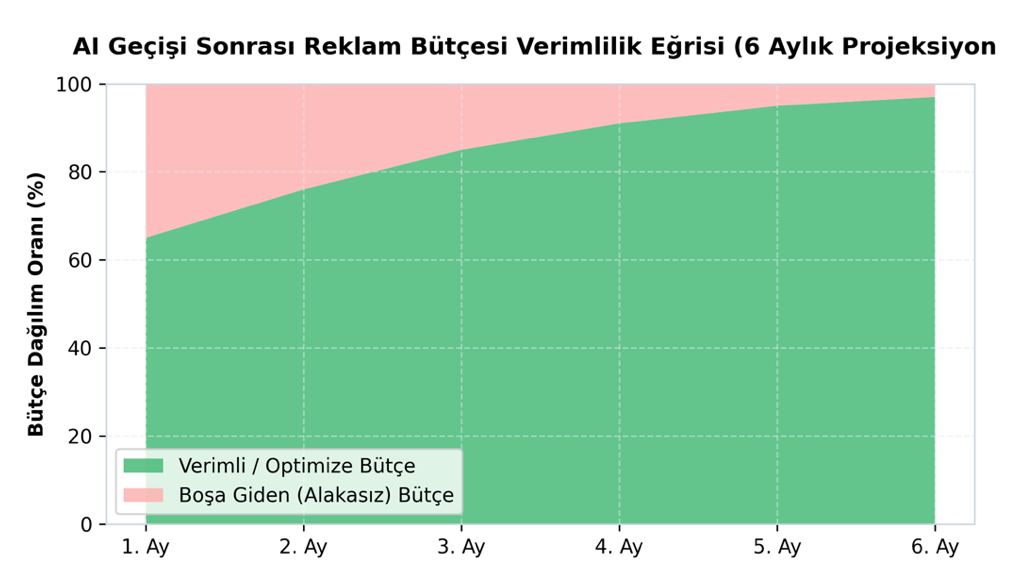
The biggest financial benefit AI-based Google Ads management offers businesses is a dramatic reduction in ad waste. In the first months of a campaign, a significant share of the budget goes to the algorithm's learning phase and to mismatched search terms. AI optimization accelerates that learning curve and shrinks the wasted portion of the budget to a minimum.
5. SEO and LLM Integration (Programmatic Synergy)
The hidden power of managing Google Ads with AI is feeding the insights drawn from your ad data straight into your organic growth (SEO) strategy.
- Discovering High-Converting Keywords: The AI filters out the highest-converting, highest-quality keywords it identifies across your Google Ads campaigns.
- Programmatic Content Production: If those keywords carry a high cost per click (CPC), they are fed into the programmatic SEO architecture within the opus-growth.com infrastructure.
- Lasting Organic Traffic: LLMs programmatically build high-authority landing page structures aligned with the search intent behind those keywords. That way, the keywords that cost you the most in advertising start delivering free conversions through SEO over the long term.
Frequently Asked Questions (FAQ)
1. Is AI-powered Google Ads management fully autonomous? Can it run my account on its own?
Answer: AI can handle operational processes such as data analysis, negative keyword detection, anomaly catching, and ad copy generation completely autonomously. However, in the architecture we offer at opus-growth.com, the Human-in-the-Loop principle applies for security reasons. The AI first presents decisions like budget changes or keyword additions to you with its reasoning, and only when you approve is the command sent to the Google Ads API through the remote server. Strategic control always stays with you.
2. With Google's own AI solutions (PMax, Smart Bidding, etc.), why would I need an external LLM / MCP server?
Answer: Google's in-house AI tools (like Performance Max) work like a black box; they don't show you exactly how much was wasted on which keyword, and they hand full control over to their own algorithm. An external LLM and MCP Server architecture, by contrast, gives you complete transparency and granular control. Models like Claude read your ad data and combine it with your company's financial goals, CRM data, and even your programmatic SEO strategy (external context) to execute a holistic growth strategy that Google's dashboards simply can't see.
3. Is setting up the Google Ads Claude MCP Server (Remote) secure? Are my API keys at risk?
Answer: It is entirely secure. The Remote MCP Server infrastructure we built uses Google's official OAuth 2.0 security protocol directly, so you never have to run complex code on your local machine. Data exchange with Claude happens over encrypted channels using the Server-Sent Events (SSE) protocol. Your API keys and sensitive customer data are never shared with third parties or used to train the models at large.
Try the Advertising Infrastructure of the Future Today
Stop spending your ad budgets by losing time in manual dashboards or handing them over to black-box algorithms. Meet the semantic processing power of AI, Model Context Protocol (MCP) automation, and programmatic SEO solutions — and lift your business's conversion rates.
To learn more and explore AI-powered Google Ads management solutions tailored to your company, visit opus-growth.com right now.
Connect your Google Ads to your AI assistant
Try everything in this article on your own account — 60-second setup, 7-day free trial, no credit card required.